Caregivers are always engage not to ignore their child’s injuries in the head. In daily life, caregivers might use some home treatment only when they should not. Caregivers might use ice pads or rub the injured area to minimize the pain without seeking medical help. The problem is not in the current time but what might the injury bring to the future. According to the American Speech-Language-Hearing Association, 50% of TBI in children ages 0 to 14 months caused by falls and shaking the baby.
دائمًا ما ينصح الأهالي بعدم اهمال سقوط الرضيع على رأسه ، لكن للأسف في الغالب نلجأ لفرك الرأس بالثلج لتخفيف الألم. المشكلة ليست في الألم الحالي ولكن بالخلل الذي قد يسببه ارتطام الرأس بالارض و غيرها. تشكل نسبة اصابات الدماغ عند الأطفال حديثي الولادة الى ١٤ شهر نسبة ٥٠ بالمئة سببها السقوط أو هز الرضيع بقوة لتنويمه أو بغرض اللعب معه ! لذلك الوعي بهذا الموضوع مهم جدًا لانه قد يسبب مشاكل صحية مستقبليه
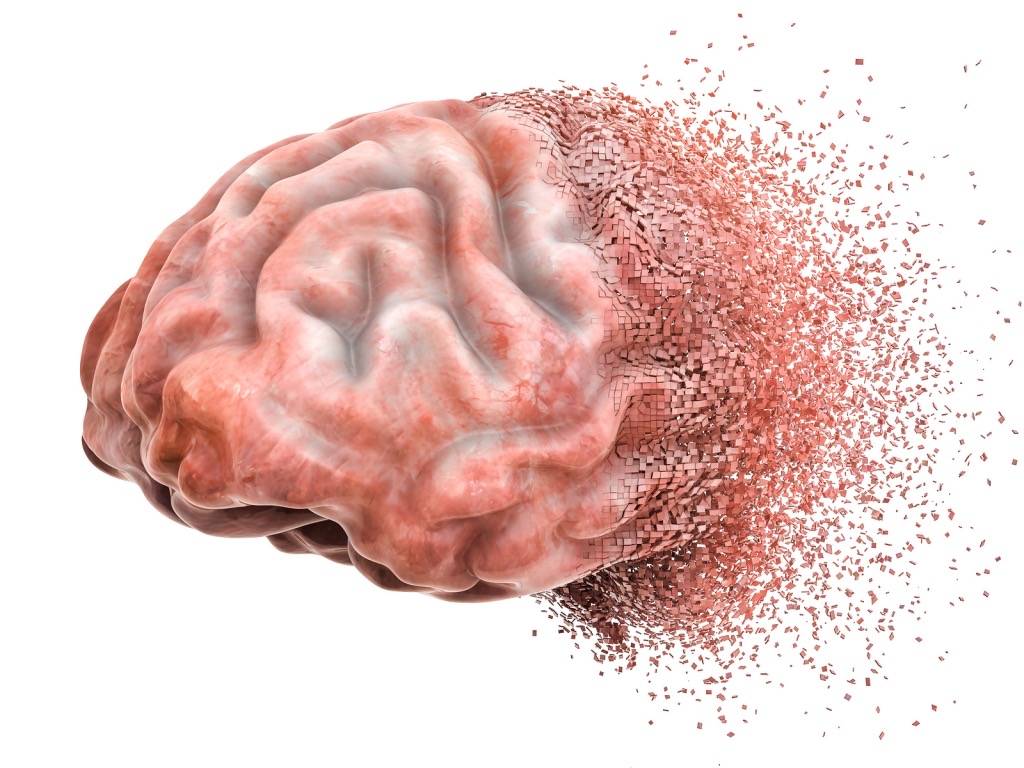
Traumatic brain injury (TBI) is a form of nondegenerative acquired brain injury, resulting from an external physical force to the head (e.g., fall) or other mechanisms of displacement of the brain within the skull (e.g., blast injuries). (ASHA)
إصابات الدماغ الرضحية: هي شكل من أشكال إصابة الدماغ المكتسبة غير التنكسية والناتجة عن إصابة خارجية في الرأس أو إصابة داخل الجمجمة تسبب مشاكل ادراكية، جسدية ، اجتماعية، عاطفية وسلوكية
Symptoms for pediatric and adult include:
- Physical: * Vomiting *Pain *Headaches *Fatigue *Dizziness *Impaired balance *Nausea
- Sensory-Perceptual (auditory): *Tinnitus *Hypersensitivity to sounds *Difficulty hearing speech in noise.
- Sensory-perceptual(visual): *sensitivity to light *changes in visual acuity * Double vision
- Sensory-perceptual(other): * loss of taste (Gustatory) *Inability to recognize smell (Olfactory) *Change in perception to pain, pressure and/or temperature.
- Cognition(attention): *decreased attention *difficulty in shifting attention *Difficulty focusing
- Cognition(executive functioning): *Difficulty in flexibility *Difficulty in goal setting *deficits in judgment *Difficulty in strategy selection *Difficulty in decision making.
- Cognition(memory and learning): * problems in short-term memory * problems in retrieving information *deficits in working memory that affect following directions.
- Language: *Difficulty taking turns in conversation *Impaired ability to use nonverbal *Difficulty formulating fluent speech *Difficulty making inferences *Difficulty understanding abstract language/concepts *Difficulty comprehending written text *Difficulty planning, organizing, writing
- Speech: *Apraxia of speech (motor programming) *Aprosodia/dysposodia, marked by deficits in intonation, pitch, stress, and rate *Dysarthria characterized by articulatory imprecision and/or vowel distortions *Hypernasality secondary to paresis or paralysis of velopharyngeal muscles involved in speech
- Voice: *hoarseness, strained–strangled voice and glottal fry * Neurogenic phonatory abnormalities resulting from injury to sensory or motor innervations to the vocal folds
- Feeding and Swallowing: *Risk of aspiration while eating related to impact of cognitive impairment *Oral and/or pharyngeal dysphagia
- Behavioral and Emotional: *Lack of motivation *Depression *Emotional lability *Mood changes *Difficulty identifying emotions of self and others (alexithymia) *Anxiety *Changes in sleep patterns
الاعراض للرضع والبالغين
١. البدنية: * القيء * الألم * الصداع * التعب * الدوخة * ضعف التوازن * الغثيان
٢. الحسية الإدراكية (السمعية): * طنين * فرط الحساسية للأصوات * صعوبة في سماع الكلام في الضوضاء
٣. الحسية الإدراكية (البصرية): * حساسية للضوء * تغييرات في حدة البصر * الرؤية المزدوجة
٤. الحسية الإدراكية (أخرى): * فقدان التذوق * عدم القدرة على التعرف على الرائحة (الشم) * تغيير في إدراك اللألم والضغط و / أو درجة الحرارة
٥. الإدراك (الانتباه): * انخفاض الاهتمام بالاشياء * صعوبة في تحويل الانتباه من شيء لاخر * صعوبة في التركيز
٦. الإدراك (الأداء التنفيذي): * صعوبة في المرونة * صعوبة في تحديد الهدف * العجز في اطلاق الاحكام * صعوبة في اختيار الاستراتيجيات * صعوبة في صنع القرار
٧. الإدراك (الذاكرة والتعلم): * مشاكل في الذاكرة على المدى القصير * مشاكل في استرجاع المعلومات * العجز في اتباع الاتجاهات
٨. اللغة:* صعوبة في التناوب في المحادثة * ضعف القدرة على استخدام اللغة غير اللفظية * صعوبة في صياغة الكلام بطلاقة * صعوبة في الاستدلال * صعوبة فهم اللغة المجردة / المفاهيم * صعوبة فهم النص المكتوب * صعوبة تخطيط وتنظيم الكتابة
٩. الكلام: * صعوبة في تغيير نغمة الصوت أو الإيقاع أو التجويد * (عسر التلفظ) بسبب شلل في العضلات المستخدمة في الحديث أو إضرابات الجهاز العصبي
١٠. الصوت: *بحة في الصوت * تشوهات صوتية عصبية ناتجة عن إصابة الحبال الصوتية
١١. التغذية والبلع: * صعوبة في النطق بملء النفس بسبب ضعف الإدراك والوعي * عسر الهضم عن طريق الفم و / أو البلعوم
١٢. سلوكية و عاطفية: * عدم وجود الدافع * الاكتئاب * تغييرات في المزاج * صعوبة تحديد العواطف للنفس وللآخرين *القلق * تغييرات في أنماط النوم
Treatment : it depends on the severity of the condition, age of the person and other factors.
.العلاج : يعتمد على شدة الحالة وعمر المصاب وعوامل أخرى
Roles of speech-Language pathologist:
- Identifying risk factors for TBI with consideration of the individual differences
- Providing prevention information to individuals and groups known to be at risk for TBI as well as to individuals working with those at risk
- Screening individuals with TBI for hearing, speech, language, cognitive-communication, and swallowing difficulties
- Decide if the individual needs further assessment or other services
- Provide a comprehensive assessment and diagnosing speech, language, cognitive-communication, and swallowing.
- Set goals and treatment plans include direct/Indirect intervention
- Report treatment outcomes and follow up progress
- Counseling individual with TBI and their caregivers if needed.
- Provide training (use of augmentative and alternative communication)
دور أخصائي النطق والتخاطب
تحديد عوامل الخطر لـلمصاب مع مراعاة الاختلافات الفردية *
توفير معلومات الوقاية للأفراد العرضة لخطر إصابة الدماغ الرضحية وكذلك للأفراد العاملين مع المصاب *
فحص السمع والكلام واللغة والتواصل المعرفي وصعوبات البلع للأفراد المصابين *
تحديد ما إذا كان الفرد بحاجة إلى مزيد من التقييم أو خدمات أخرى *
توفير تقييم شامل وتشخيص الكلام واللغة والتواصل المعرفي والبلع *
وضع اهداف وخطط العلاج والتي قد تكون مباشرة/ غير مباشرة *
مراقبة نتائج العلاج ومتابعة التقدم العلاجي *
تقديم المشورة للفرد المصاب ومقدمي الرعاية له إذا لزم الأمر *
توفير التدريب على استخدام طرق التواصل المعززة والبديلة *
references/مصادر
www.asha.org/PRPSpecificTopic.aspx?folderid=8589942939§ion=Causes
http://www.asha.org/PRPSpecificTopic.aspx?folderid=8589935337§ion=Overview
http://www.mayoclinic.org/ar/diseases-conditions/traumatic-brain-injury/diagnosis-treatment/drc-20378561

 Awareness👩🏻⚕️وَعْي